The Metalworker's Guide to the Digital Age: A Tale of Three Transformations
About the differences between digitization, digitalization, and digital transformation, using three metalworking shops as examples.
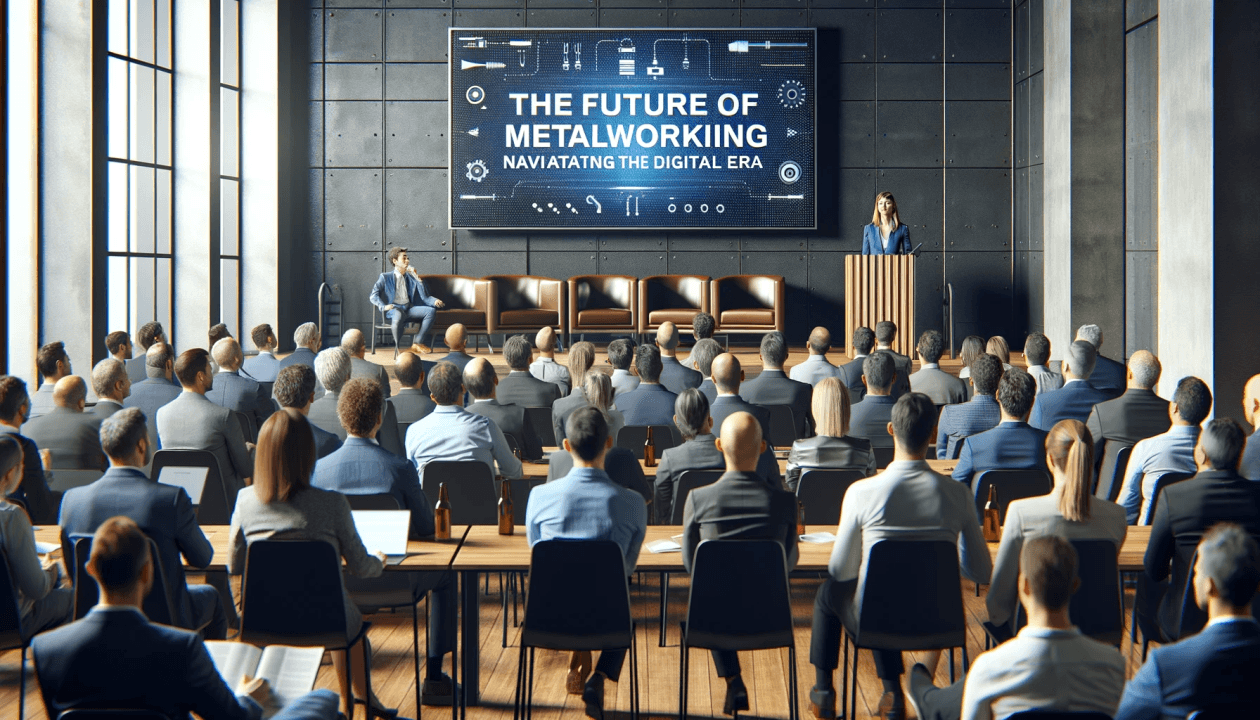
In a large, modern conference hall filled with the buzz of conversation, a diverse group of metalworking company owners gathers. They're here for a seminar titled "The Future of Metalworking: Navigating the Digital Era." The stage is set with a large screen displaying the seminar title, and as the room quiets down, the presenter, Dr. Emily Carter, a renowned expert in industrial digital transformation, steps onto the stage.
Dr. Carter's Introduction
"Good morning, everyone! I'm Dr. Emily Carter. Today, I'm here to demystify three crucial terms that are reshaping industries worldwide: Digitization, Digitalization, and Digital Transformation. Understanding these is not just academic; it's the key to future-proofing your businesses."
The Story of Three Metalworking Shops
- Digitization - The Case of Anderson Metals: "Let's start with a story about Anderson Metals, a family-owned business. They recently took their first step into the digital world by digitizing their inventory records and design blueprints. They replaced paper records with digital files, making it easier to store and retrieve information. However, their business processes and interactions with customers remained largely the same."
- Digitalization - The Journey of Johnson Fabrications: "Next, meet Johnson Fabrications. They went a step further. After digitizing their records, they implemented a digital system to manage and automate their order processing. Customers could now place orders online, and the system streamlined production scheduling. This digitalization of their processes made them more efficient and customer-friendly, but their core business model remained unchanged."
- Digital Transformation - The Evolution of Elite Metalworks: "Finally, there's Elite Metalworks. They embraced digital transformation. After digitizing their data and digitalizing their processes, they started using advanced data analytics to predict market trends. They diversified their services to include custom 3D metal printing, tapping into new markets. Their entire business model evolved, and they fostered a culture of innovation and digital-first thinking."
Dr. Carter's Conclusion: "As you can see, digitization is just your first step - converting your analog data into digital. Digitalization is about streamlining and enhancing your processes with this digital data. But true digital transformation? That's a complete overhaul. It's about using digital technologies to innovate, change your business model, and adapt to a rapidly evolving marketplace."
The Moral of the Story: "To the metalworking business owners here today, understanding these three concepts is crucial. Know where you stand, and more importantly, where you want to go. Are you just converting data, and improving processes, or are you ready to transform your entire business paradigm? Your ambition will shape your path. Remember, in the digital era, the only constant is change, and the key to success is not just adopting technology, but adapting your mindset."
The room erupted in thoughtful applause as Dr. Carter concluded her presentation. The business owners left the seminar, not just with clarity on these terms, but also with a newfound understanding of their ambitions in the digital age.