The Metalworker of Tomorrow: A Tale of Knowledge Evolution
How to solve challenges with knowledge retention and growth with technological advancements in knowledge management, knowledge execution, and artificial intelligence.
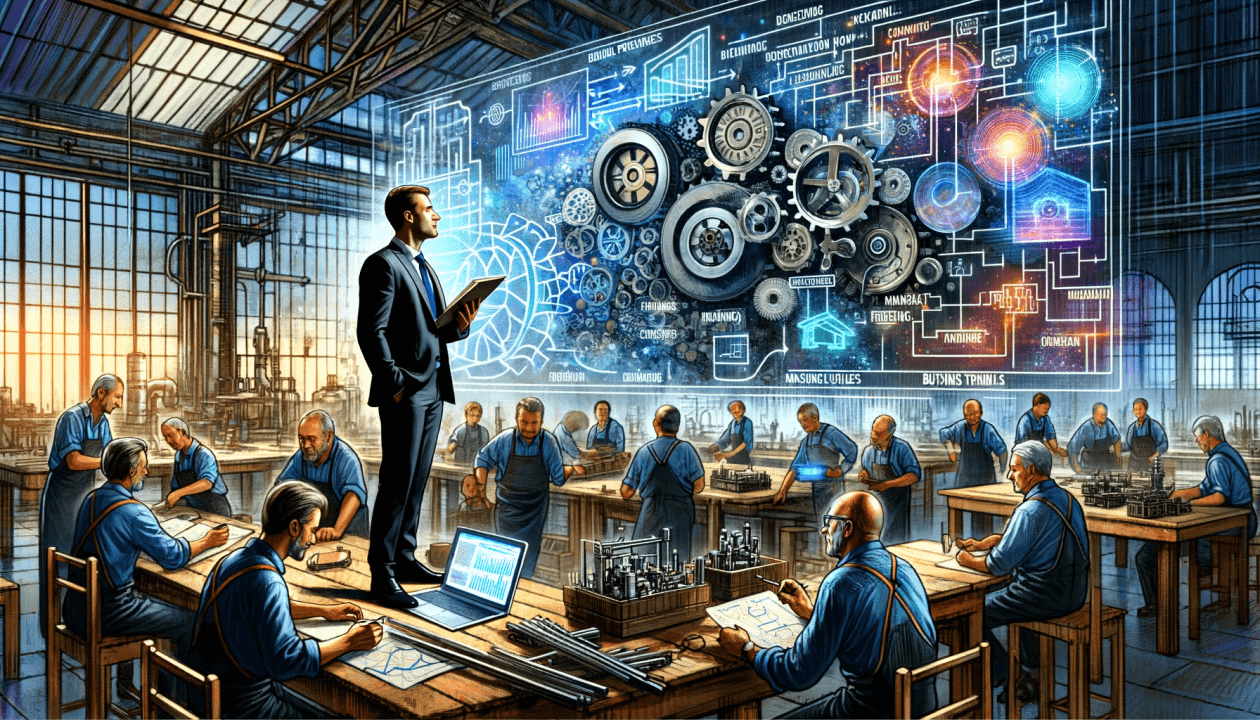
Once in an industrious town, there thrived a metalworking company, renowned not just for its fine craftsmanship but for its extraordinary workplace culture. This company, led by a visionary owner, had long invested in its greatest asset: its people. The employees were not mere workers; they were pillars of a well-oiled machine, each carrying a trove of knowledge and experience. But as the wheel of time turned, so did the challenges facing this venerable establishment.
The first signs of change came subtly. As the seasoned artisans neared retirement, the task of finding new talent who shared the company's ethos became increasingly difficult. Younger employees, though skilled, seemed to view their roles as stepping stones, frequently moving on to new opportunities. This transient workforce brought a costly challenge: the constant need to transfer knowledge from the old guard to the new, a cycle that drained resources and hindered growth.
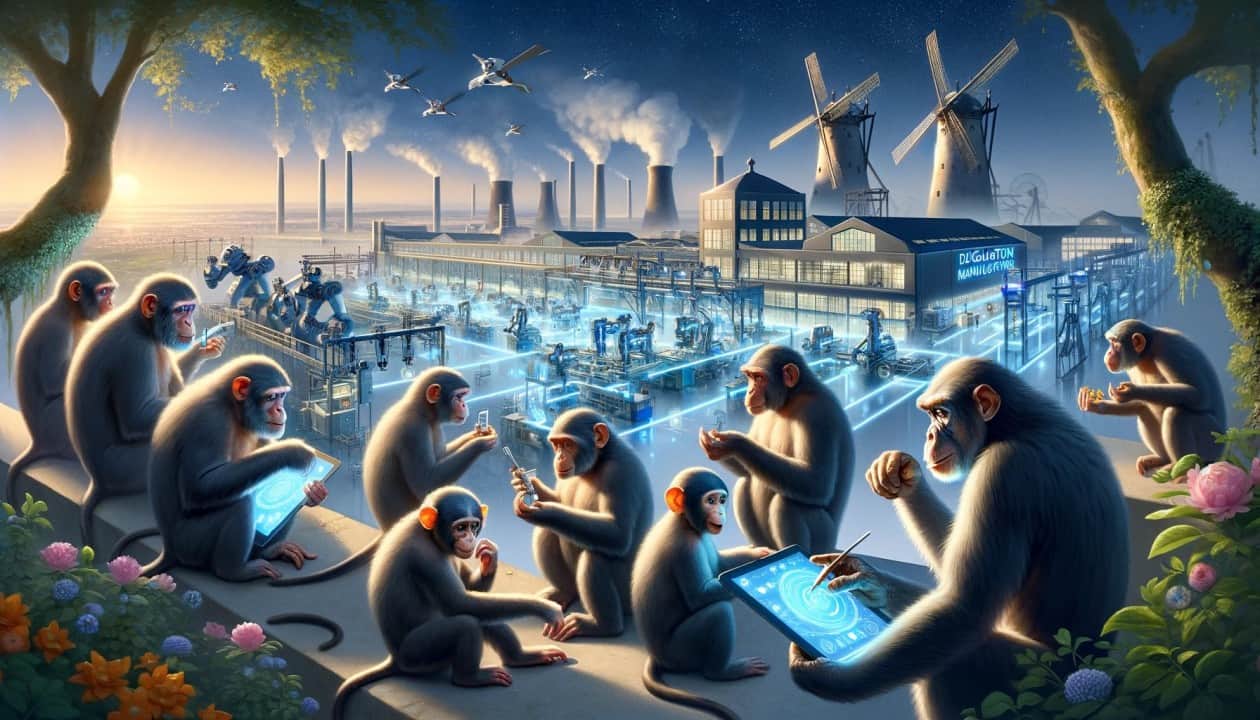
Meanwhile, a revolution was brewing in the industry. The company's competitors had embarked on a radically different path years ago. They foresaw the transient nature of the workforce and the limitations of relying solely on implicit, experiential knowledge. In response, they began a systematic transformation, turning tacit knowledge into explicit, documented insights. This shift started with basic models and decision trees but soon evolved into something far more advanced.
The competitors harnessed the latest in technology, transitioning their explicit knowledge into executable logic. This evolution allowed their systems to not only store knowledge but to actively apply it in real-time, automating processes and making autonomous decisions. The integration of Artificial Intelligence pushed these advancements further, turning their operations into a symphony of efficiency and innovation.
The stark contrast between the two approaches became clear to our business owner. While his company struggled with the growing costs of knowledge retention and transfer, his competitors were reducing their knowledge-related expenses to almost nothing. The realization was jolting but clear: the future of business lies in leveraging technological advancements to democratize and perpetuate knowledge.
Moral of the Story: In an era where change is the only constant, businesses must adapt to survive and thrive. The story of the metalworking company serves as a poignant reminder that clinging to traditional methods of knowledge retention can be costly and unsustainable. Embracing technological innovations, such as executable business logic and Artificial Intelligence, not only drives down the costs of knowledge but also opens doors to new possibilities. It underscores a pivotal truth: in the modern business landscape, the value of knowledge lies not just in its possession, but in its accessibility and application through advanced technology.