Metal and Metamorphosis: Navigating the New Industrial Ecosystem
How a skeptical metalworking business owner embraces and successfully integrates his business, by adapting to a digitally interconnected industrial ecosystem.
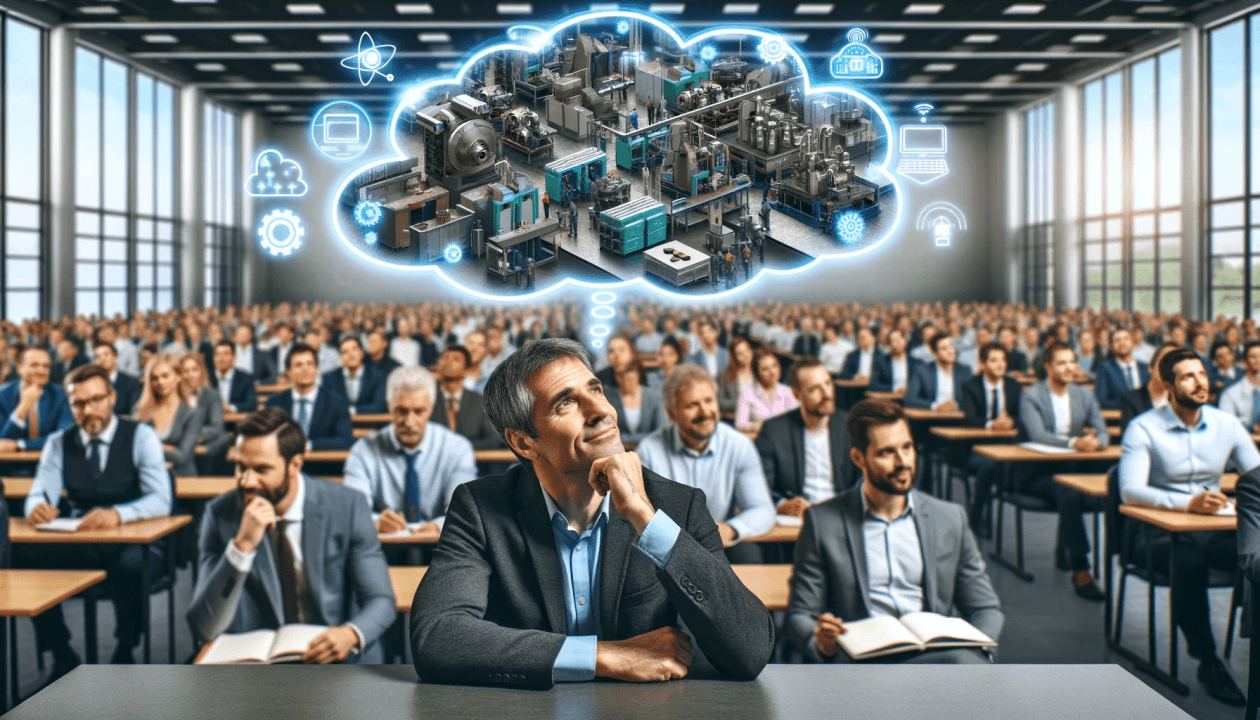
As the owner of a small but proud metalworking business, I sat in the dimly lit conference hall, my mind swirling with a mix of skepticism and curiosity. The stage was set for a presentation by a renowned Industry 4.0 expert, and the room buzzed with anticipation. I had always been a hands-on kind of person, more at home on the shop floor than in a room full of tech jargon. Yet, here I was, about to dive into the digital future of manufacturing.
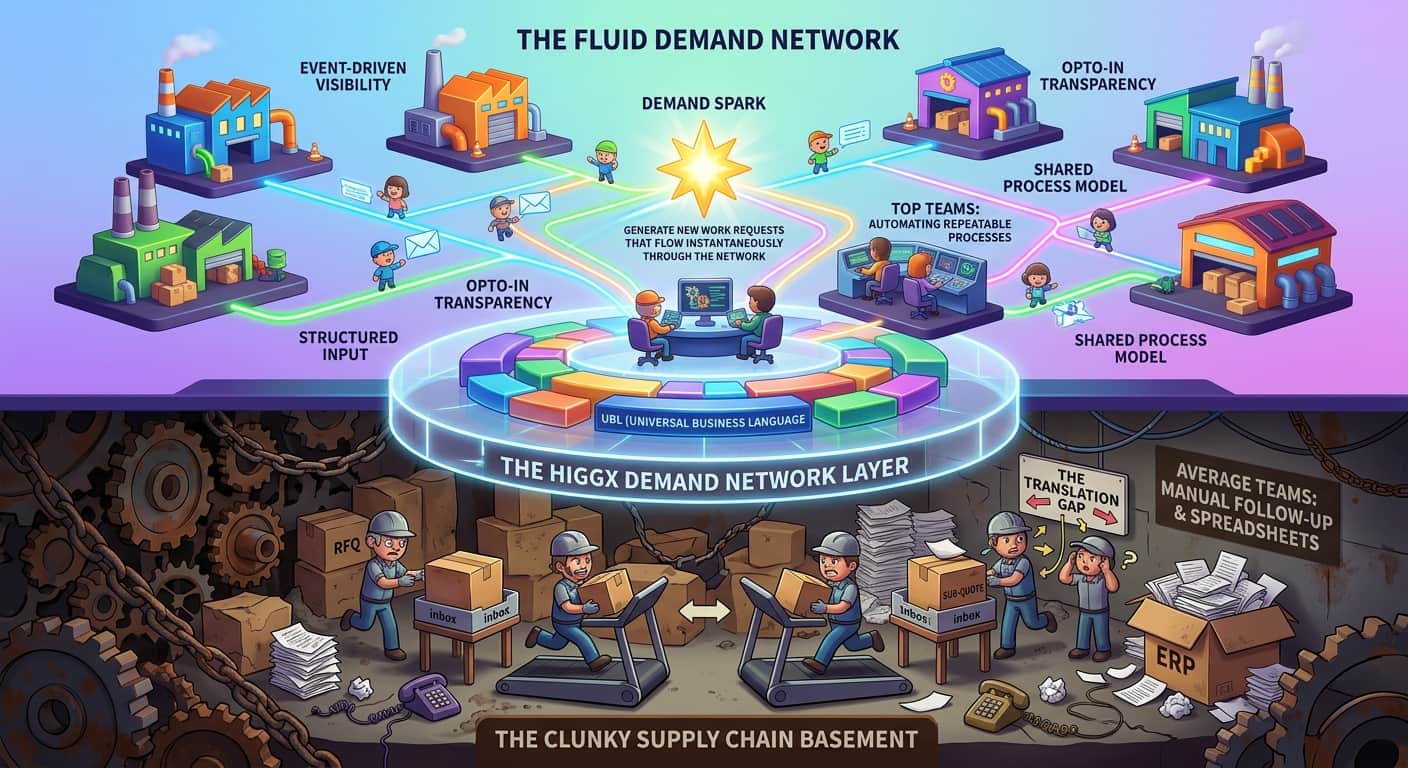
The presentation began with the concept of an 'industrial ecosystem'. The speaker described it as a complex network, a symphony of digital and physical components working in harmony. I pictured my own workshop � the clang of the hammer, the hiss of the welding torch � now interwoven with invisible streams of data and digital communication. The idea was daunting. "Metalworking businesses like yours," the speaker said, "need to adapt to digitalization, or risk being left behind." That hit hard. I felt a twinge of fear. Were we really at risk of becoming obsolete?
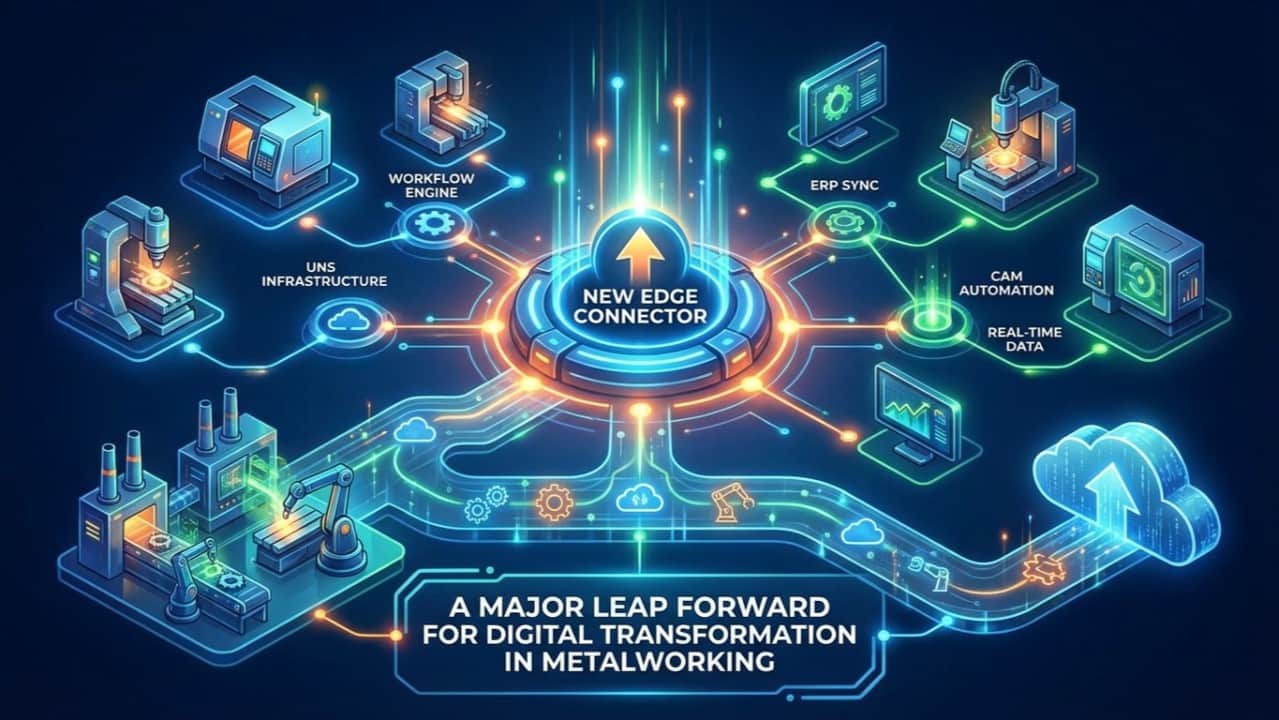
As the presentation delved into the components of this ecosystem, I began to see glimpses of a future where cloud computing wasn't just a buzzword but the backbone of our operations. The speaker talked about how cloud infrastructure could streamline supply chains, manage customer relations, and even handle complex data analytics. I imagined our processes, currently so reliant on manual inputs and intuition, being transformed by this omnipresent digital layer, making decisions faster, reducing errors, and predicting problems before they occurred.
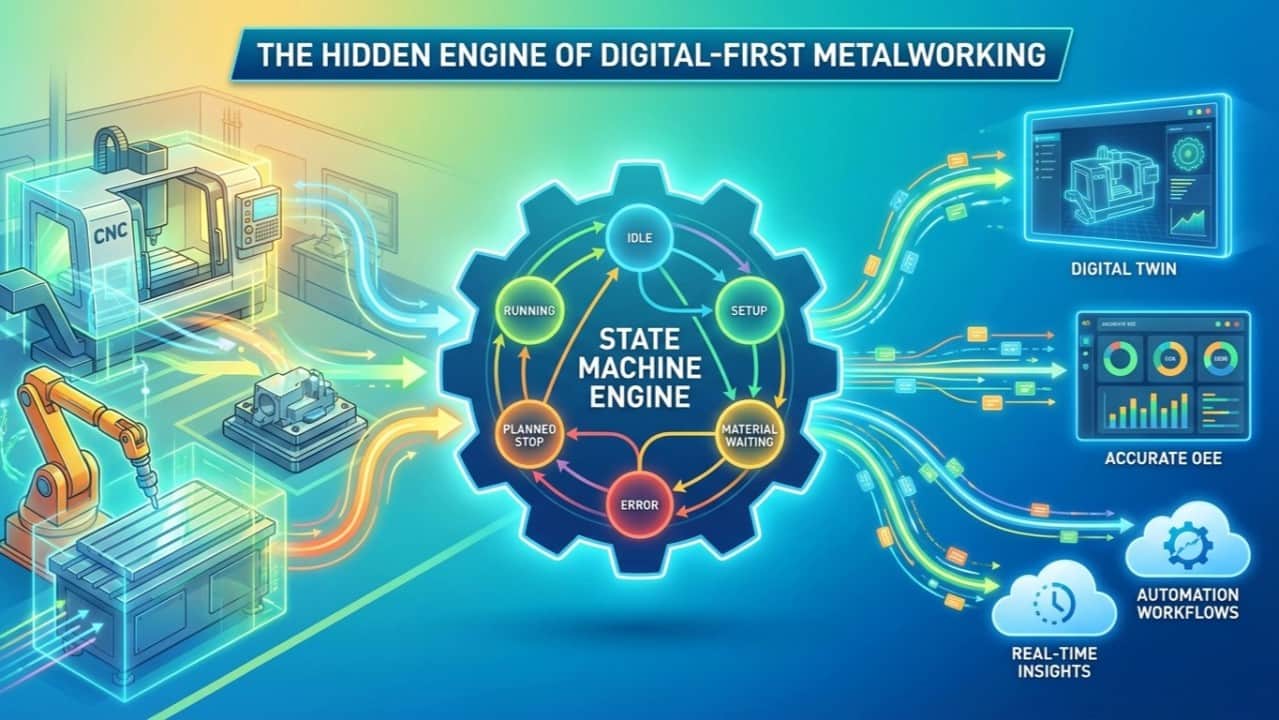
But it wasn't all about the cloud. The speaker emphasized the importance of on-premise capabilities. "You'll still need real-time control over your machinery," he explained. "Certain data will need to stay local for security and efficiency." That made sense. I pictured our CNC machines and fabricators, now guided by a seamless blend of local and cloud-driven intelligence.
The last part of the presentation addressed my biggest fear: the transition. "This transformation won't happen overnight. It's a journey that will take years," the speaker assured us. That was a relief. I realized that we didn't need to upend everything immediately. We could start small, perhaps with cloud-based supply chain management, and gradually integrate more digital aspects into our operations.
The speaker's closing statement was a wake-up call: "Start the transformation now, to stay in the game." As the crowd dispersed, I sat there, letting it all sink in. At first, I felt overwhelmed. We were metalworkers, not tech gurus. But then, a shift happened. I began to see this not as an insurmountable challenge, but as an opportunity.
Back at my workshop, I gathered my team for a meeting. "Things are changing," I started, "and so must we." I explained the concept of the industrial ecosystem, using simpler words. "Imagine our workshop not just as a place of hammers and metal but as part of a larger, smarter network. We'll start small, maybe with a new inventory management system. Then, we'll gradually integrate more digital tools."
I could see the uncertainty in their eyes, mirroring my initial apprehension. But as we talked more about the possibilities - fewer errors, less downtime, better planning - a sense of excitement replaced the anxiety. "This won't be quick or easy," I cautioned, "but it's the future, and it's filled with opportunities for us."
Over the next few years, we took gradual steps towards digitalization. We stumbled at times, learning as we went, but each new digital component added value to our operations. We became more efficient, more responsive to market demands, and started attracting new clients who were looking for smarter manufacturing partners.
Looking back, that presentation was the turning point. It shifted my mindset from fear to acceptance, and then to ambition. We weren't just metalworkers anymore; we were part of something bigger - a digitally interconnected ecosystem. And within this ecosystem, we found new ways to thrive, grow, and carve out our place in the future of manufacturing.